What Are Some Personal Barriers In Career Progression?
The main goals of every person are to have a career and succeed in life. Ask anyone what their ultimate goal is, and you’ll hear them say that they want to advance their careers. It’s time to address these barriers because they prevent people from moving up in their careers.
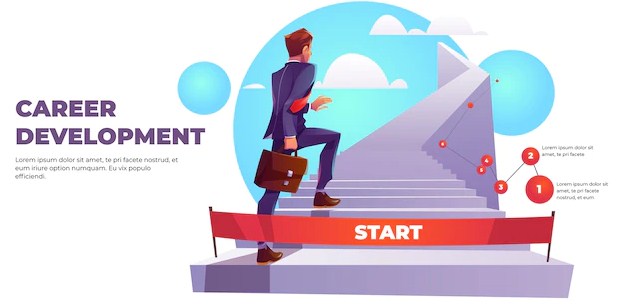
It’s important to understand career progression before discussing the barriers. Career advancement can be defined as the process of moving up the professional success ladder. advancing in a career, receiving a promotion, overcoming new obstacles, interacting with new employers, and seizing new opportunities. These are just a few of the numerous ways an employee can advance in his or her career.
Importance of Career Progression Plan
The close connection between career development and career advancement is crucial to keep in mind in this situation. Lifelong career development is a reality. It is more focused on attempts to juggle work, play, and personal time.
Then there is career advancement, which involves making incremental progress toward a larger professional objective (s). Curiously, career progression will help determine the best path to take in order to achieve the desired career development goals.
A career progression plan will enable the individual to pursue education and employment as necessary. For instance, if someone wants to start their own business, getting an education in entrepreneurship will be their top priority. In addition to this, career advancement is important for two main reasons: It makes it easier for a person to land their ideal job. Second, it will enable the person to make enough money to live a decent life. In a nutshell, career advancement helps people accomplish their ultimate professional and personal goals.
The Barriers In Career Progression

While many factors affect how a career develops, personal obstacles frequently have a significant impact on a worker’s ability to advance. Recognizing career obstacles increases the likelihood of moving further along the desired career path.
Barrier #1 Stress and Burnout
The stress caused by having excessive or unreasonable expectations from a job is one of the most important obstacles to progressing in one’s career. Maintaining unrealistic expectations can be extremely stressful when they result in disappointments and can impede career advancement. What’s worse is when someone develops ingrained, unflinching misconceptions. For instance, he might anticipate getting promoted within a year or else begin to view himself as a failure. These kinds of ideas limit a person’s capacity to develop and seize opportunities. It prevents the person from using any other better options, which results in excessive stress and burnout. Extreme pressure is harmful because it prevents people from performing to their full potential, which limits their ability to advance in their careers.
Barrier #2 Lack of Self-Confidence
Lack of self-confidence is a common but unfortunate personal barrier to career advancement. Most people lack confidence in their skills and potential, which makes them depressed and less productive. People who lack self-esteem and confidence miss out on career opportunities and advancements. Self-evaluation and self-promotion are necessary in order to have a more optimistic outlook. Typically, businesses are looking for confident individuals with a positive attitude. An employee is most likely to disappoint an employer if they display fear or self-doubt.
Barrier #3 Ineffective Communication
In every career path, effective communication skills are extremely important. Having difficulty or poor communication can be a barrier to career advancement. It is imperative to master the art of communicating thoughts, feelings, and ideas to others, whether in personal or professional settings. The U.S. Department of Labor reports that employers consistently cite communication skills as the most important quality in candidates. Effective communication among staff members significantly raises their chances of advancement and recognition.
Barrier #4 Careless Attitude
Employees frequently believe that their performances are adequate and that there is no room for improvement. This also occurs because they don’t want to push themselves and leave their comfort zones. The key to progressing in the corporate world, though, is to be enthusiastic and look for opportunities. Try to stay one step ahead of the work at all times to achieve success at the office. Be enthusiastic. Take action. Join in and offer your assistance. To help and provide their services in a way that meets the employer’s needs, employees should try to anticipate their expectations.
Barrier #5 Lack Of Motivation
The lack of will in people is yet another crucial barrier to career advancement. Many people believe they are unworthy of a promotion or any kind of honor. They don’t believe they are psychologically or mentally equipped to handle the stress or heavy responsibility. The accumulation of negative thoughts leads to action. Most often, they use various justifications to excuse their lack of desire or interest. For instance, they might consider a promotion once their child is an adult or want to spend more time with their family. If someone has a tendency to do that, they are undoubtedly underestimating their capacity to defend their present circumstance.
Barrier #6 Poor Self-Awareness
The key to career advancement is understanding oneself, one’s goals, and what one wants to contribute to society. It’s important to be conscious of how one communicates and presents themselves in interviews and at work. Employees with good demeanor frequently impress employers. Therefore, in order to land that dream job, it’s crucial for a person to understand where they fall short.
Concluding Thoughts
A career advancement is the same as hitting a life milestone. Therefore, there shouldn’t be any obstacles in the way of a person’s career advancement. Plan, concentrate, and live the life you want!
Bryan Barnes
On a variety of topics that have an impact on education, Jessica writes informative articles. Her writing, which is informed by her own personal beliefs, appeals to both younger and older adults. Her experience includes more than 3 years as a writer and researcher covering topics like education, studies, and products for graduates. She also has self-taught journalism courses under her belt.
Copyright © 2022 PerBased